Introduction
Chronic kidney disease (CKD) silently affects millions worldwide, often progressing to a point where dialysis or transplantation becomes necessary. While current treatments focus on managing symptoms and slowing progression, new hope has emerged from an unexpected source: a medication commonly used for constipation. A recent clinical trial suggests that lubiprostone, a drug typically prescribed for chronic idiopathic constipation, may offer significant protection to the kidneys in people with moderate CKD.
Trial Details: A Glimpse of Hope
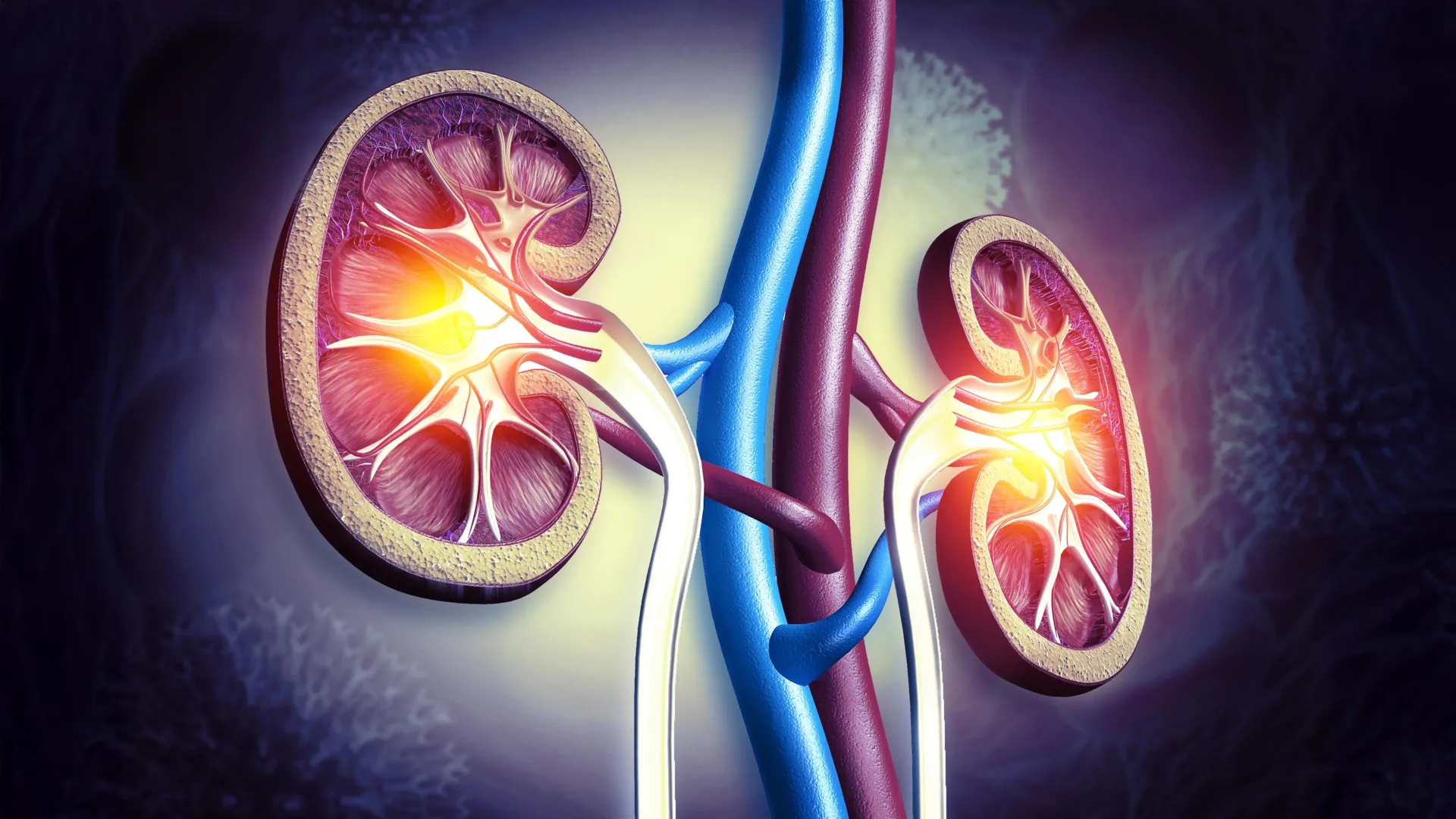
The study, involving 150 patients with moderate chronic kidney disease, investigated the effects of lubiprostone over a period of time. Researchers observed that those who received the drug experienced a preservation of kidney function compared to a control group. Specifically, measures such as estimated glomerular filtration rate (eGFR) remained more stable, indicating slower disease progression. These findings are particularly promising because they suggest a new, non-invasive way to combat CKD, an illness that often leaves patients with limited options.
Unraveling the Mechanism: Gut Bacteria and Spermidine
To understand how a laxative could protect the kidneys, scientists delved into the drug's effects on the body. They discovered a fascinating chain reaction: lubiprostone appears to alter the composition of gut bacteria, shifting the microbial balance toward species that produce more spermidine. Spermidine is a naturally occurring compound with powerful properties, including the ability to enhance mitochondrial health and reduce cellular damage. In turn, this helps shield kidney cells from the stress and inflammation that characterize CKD.
The Role of Spermidine
Mitochondria are the energy powerhouses of cells. When they function poorly, as often happens in CKD, tissues degrade rapidly. Spermidine has been shown to promote mitophagy — the removal of damaged mitochondria — and improve overall cellular resilience. By boosting spermidine levels, lubiprostone may effectively slow kidney deterioration at the molecular level.
Gut-Kidney Axis
The connection between the gut and kidneys, known as the gut-kidney axis, is a growing area of research. This study provides a concrete example of how modulating the gut microbiome with a drug can produce systemic benefits, highlighting the potential for microbiome-targeted therapies in kidney disease.
What This Means for Patients and Future Research
While the results are encouraging, experts caution that this is a small early-stage trial. Larger and longer studies are needed to confirm the benefits, establish optimal dosing, and identify which CKD patients might respond best. Additionally, lubiprostone is not currently approved for kidney protection, so patients should not self-medicate. However, the study opens a promising avenue for repurposing this inexpensive, well-tolerated drug.
Conclusion
The surprising kidney-protective effect of lubiprostone underscores the importance of investigating established drugs for new uses. By revealing a mechanism that involves gut bacteria and spermidine, this research not only offers potential relief for millions of CKD patients but also deepens our understanding of how the body's systems interconnect. As research progresses, we may see lubiprostone become a novel tool in the fight against chronic kidney disease.