Introduction: Ford’s Bold Move in the EV Race
In a strategic bid to reclaim its footing in the electric vehicle market, Ford has quietly launched a specialized “skunkworks” facility dedicated to fast-track EV development. The automaker’s goal is clear: close the gap with China, whose EV industry has surged ahead globally. Recently, we were granted an exclusive look behind the curtain at this secretive lab, where engineers are crafting the Universal EV—a flexible platform designed to underpin multiple models and accelerate Ford’s transition to an all-electric future.
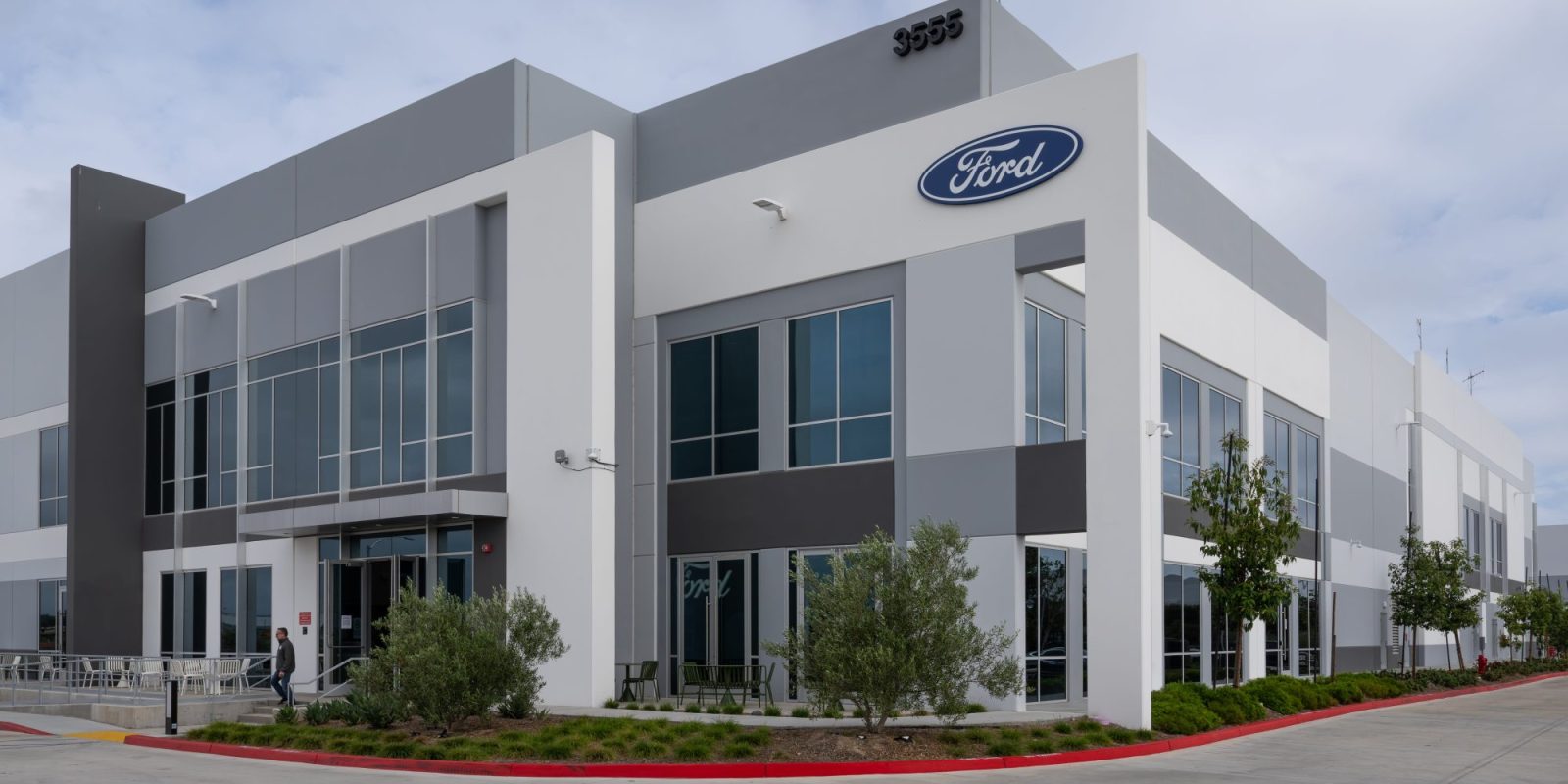
What Is a Skunkworks? Ford’s Stealth Approach
The term “skunkworks” originates from Lockheed Martin’s legendary advanced development programs, known for rapid prototyping and minimal bureaucracy. Ford’s adoption of this model signals a cultural shift: cutting red tape, empowering small teams, and fostering innovation without corporate drag. This facility operates semi-independently, allowing engineers to experiment freely with battery technology, modular architecture, and manufacturing techniques. The result? Faster iteration cycles and a platform that can adapt to various vehicle segments—from compact cars to pickup trucks.
For a deeper look at how such labs function, see our section on the Universal EV platform.
The Universal EV Platform: A Chassis for Everything
Central to Ford’s skunkworks efforts is the Universal EV—not a single car, but a shared architecture that can be scaled and customized. By using common components like battery packs, electric motors, and control systems across multiple models, Ford aims to slash development time and costs. The platform is designed to be software-defined, enabling over-the-air updates for features like autonomous driving and infotainment—a key advantage in the race against Chinese competitors.
Key features of the Universal EV include:
- Modular battery packs that can be configured for range or cost
- 400V or 800V electrical architecture for fast charging compatibility
- Ride-height adjustability suitable for sedans, SUVs, and light trucks
- Centralized electronic control unit reducing wiring complexity
This approach mirrors what companies like BYD and NIO have already mastered, but Ford hopes its manufacturing scale and brand heritage will give it an edge. Learn more about the competitive landscape in the section on why Ford must catch up.

Why Ford Needs to Catch Up: The China Challenge
China’s EV makers have achieved cost leadership through vertical integration and government support. BYD, for example, produces batteries in-house and has slashed prices to undercut Western automakers. Meanwhile, NIO and XPeng are innovating with battery-swapping and advanced driver-assistance systems. Ford’s delay in launching dedicated EV platforms (its current models like the Mustang Mach-E are based on modified internal-combustion architectures) has left it vulnerable. The skunkworks lab is Ford’s attempt to leapfrog into next-generation designs.
Statistics highlight the urgency:
- China sold over 6 million EVs in 2023, more than the rest of the world combined.
- Ford’s EV market share in the U.S. has slipped to single digits, while Tesla and Hyundai-Kia gain.
- Chinese brands are now exporting to Europe and Southeast Asia, threatening Ford’s traditional markets.
The Universal EV platform aims to address these challenges by offering scalability that can compete on price without sacrificing quality. Read our conclusion for what this means for the industry.
Conclusion: A Secret Weapon—or a Hail Mary?
Ford’s skunkworks facility represents a cultural pivot toward agility. While it’s too early to declare victory, the Universal EV platform holds promise. If successful, it could spawn a family of affordable, high-tech EVs that rival Chinese offerings at every price point. But the clock is ticking: competitors are not standing still. The next few years will determine whether this secret lab becomes Ford’s greatest triumph or a missed opportunity.
We’ll continue to monitor Ford’s progress and bring you updates from inside the skunkworks. Stay tuned for more exclusive reports.